
Healthy Rivers Start with Connected Communities
On Friday the 15th of May at Peer Reserve a dedicated group of community members came together in heartwarming numbers to restore the reserve. To activate this mahi, Drinkable Rivers held weekly Wednesday working bees where a dedicated core group of volunteers shows up rain or shine to care for our waterways. However Friday the 15th of May was something different, it was a big push with volunteers of all ages coming together for a common purpose. Volunteers included local members of the community, enthusiastic Villa Maria students as well as University of Canterbury students.
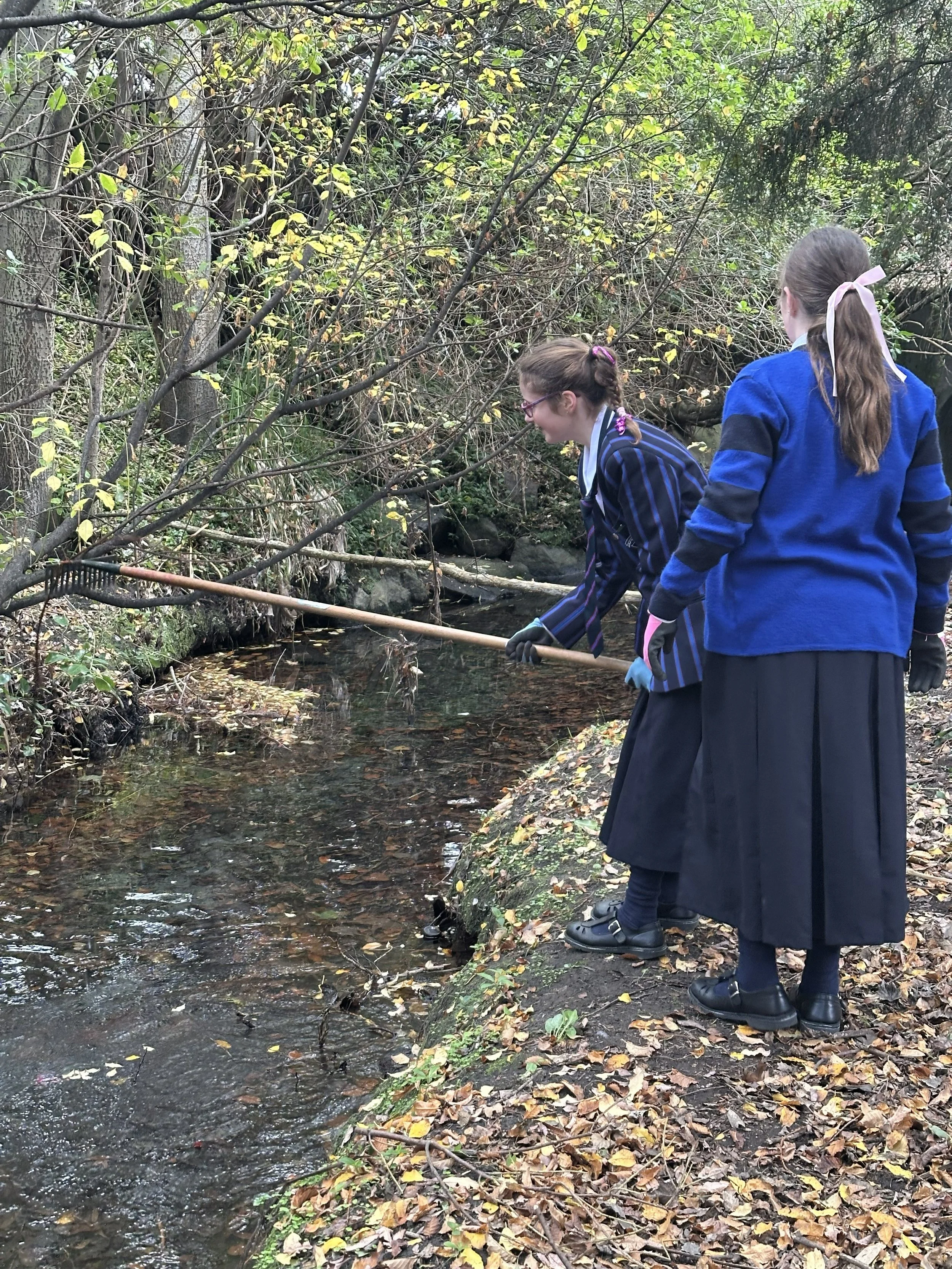
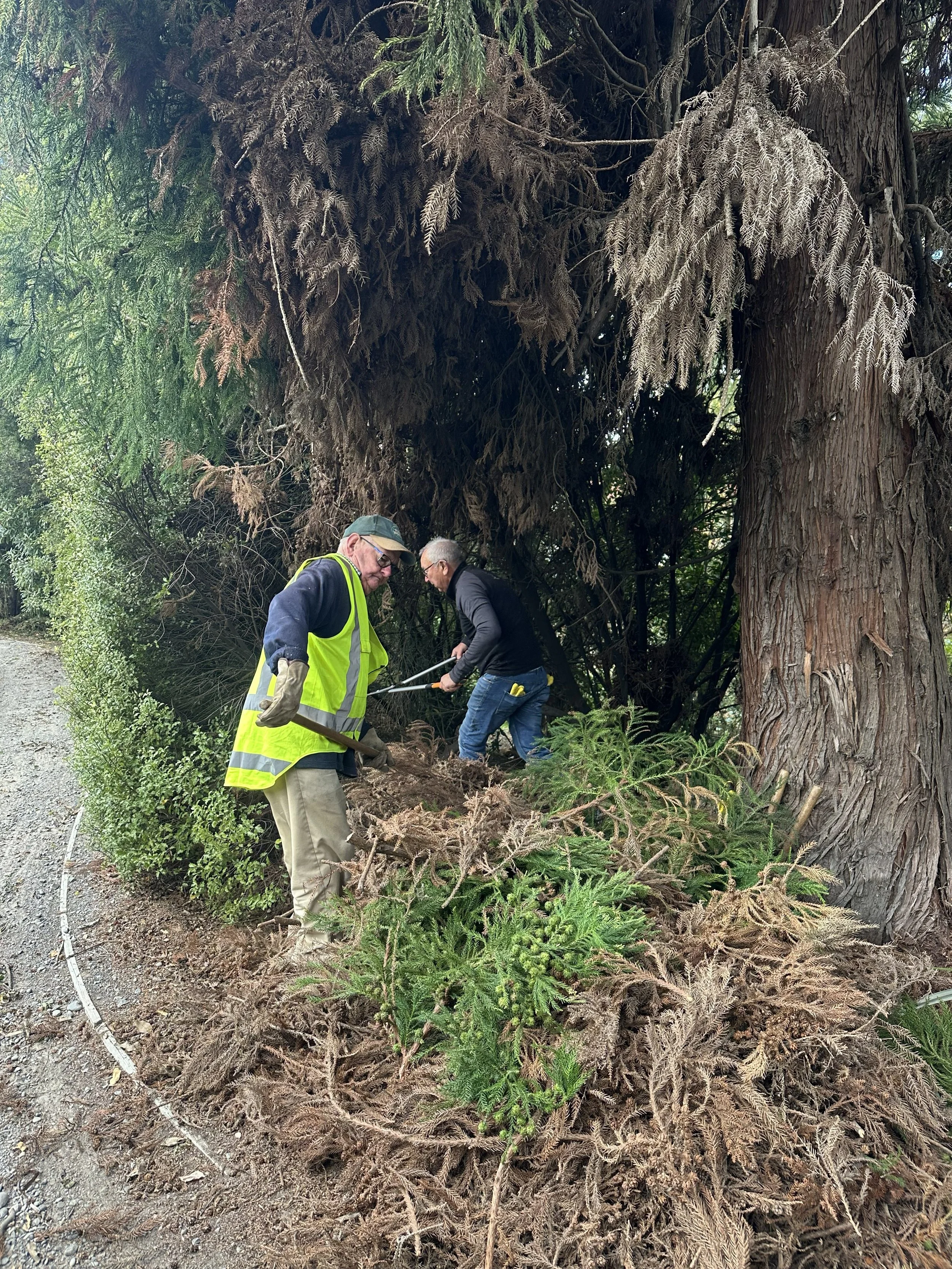
Throughout the day hard-working volunteers helped remove waste, clear invasive species and dead branches. The highlight of the day was using a woodchipper, generously donated by Hirepool to process broken and dead branches found at the reserve. To reduce waste the branches were chipped into mulch and then spread around the reserve to improve soil health and suppress weeds resulting in benefits that will continue long after the working bee.
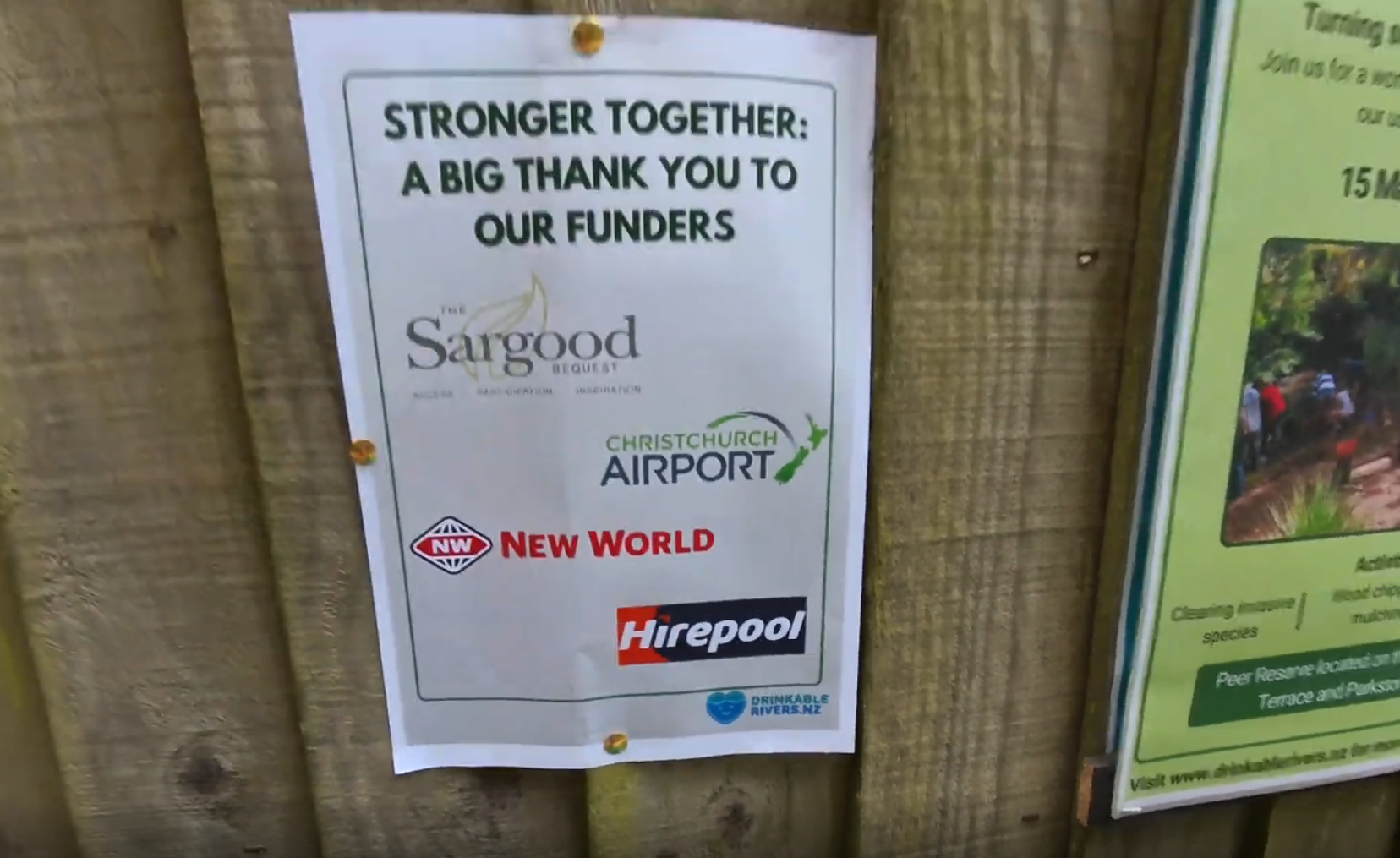
A special thank you to Annaliese from the Council who supported the event by helping transport and dispose of the collected waste, and to New World Ilam who donated food and refreshments to keep the volunteers fuelled.
Beyond the profound environmental benefits, the working bee also provided an opportunity for volunteers to connect with one another, spend time in nature and learn more about the importance of caring for our waterways. Events like these highlight the power of community action and how collective efforts, no matter how small can have meaningful impacts.
We are incredibly grateful to every volunteer that turned up and contributed their time and energy. The success of the Peer Reserve Restoration relies on the support of volunteers, schools and local partners who share our vision for healthier rivers and stronger communities. We thank you all for turning up with a positive attitude, high spirts and a willingness to get stuck in!
We look forward to even more volunteers turning up for future working bees as we continue working towards cleaner, healthier, and ultimately more drinkable rivers.
Blog post written by Hannah Fountaine, PACE Intern from University of Canterbury.